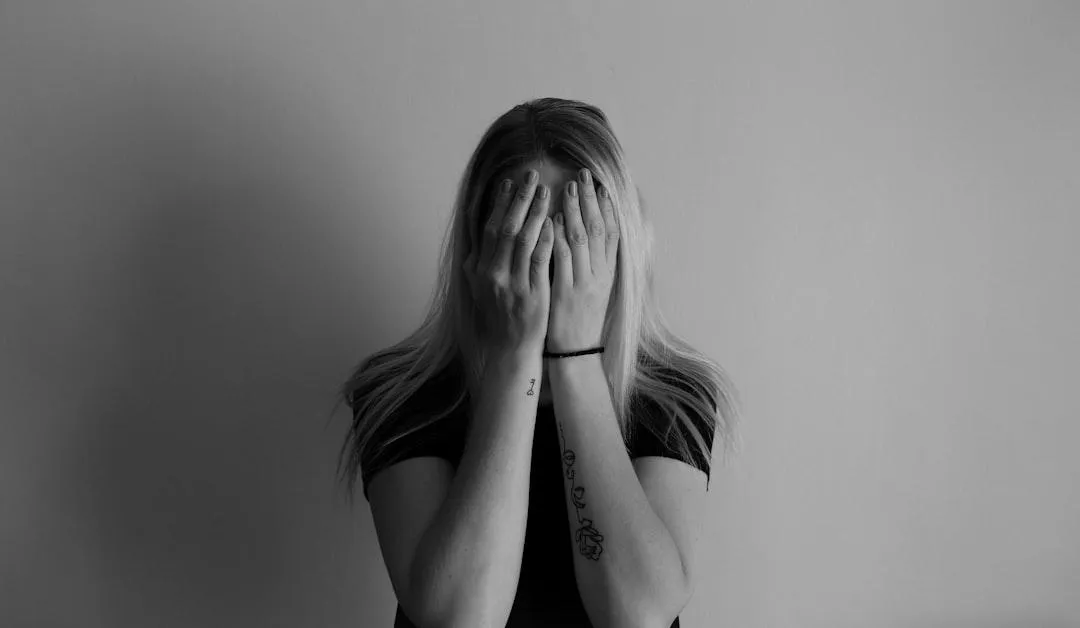
The Myth of the “Good Victim”
There is an unspoken rule in our society — and especially in systems that claim to protect women — about what a “real” victim should look like.
She should be calm, but distressed.
Presentable, but not vain.
Emotional, but not angry.
Shaken, but still polite.
She should look like she prepared for the worst moment of her life.
I didn’t.
I came outside without shoes.
My hair was messy.
I hadn’t eaten dinner yet — because I had just put my daughter to bed.
Apparently, this counted against me.
I was described as “unkempt.”
Let’s pause on that word for a moment.
Since when is running out of your own home after being strangled supposed to look polished?
Since when is not having lipstick on a sign that something didn’t really happen?
Since when are bare feet evidence of instability rather than urgency?
Was I supposed to stop, brush my hair, put on heels, and choose the right outfit before escaping danger?
When normal life becomes “evidence”
My kitchen was also noted.
Not because it was dangerous.
Not because it was unhygienic.
But because dinner hadn’t been finished yet.
There were dishes drying by the sink.
As there are in most homes where a parent is in the middle of cooking.
I was also in the middle of trying to move out from the man who had hurt me for years, so boxes were half packed. The apartment had no cupboards.
But suddenly, an unfinished meal became a messy kitchen.
No cupboards became a character flaw.
Since when does not finishing dinner before an attack discredit what happened after?
This is how systems quietly rewrite reality.
Not by denying facts outright —
but by reframing normal human moments as signs of failure.
The impossible standard
The idea of the “good victim” is one of the most dangerous myths we have.
The good victim:
looks the right way
reacts the right way
speaks the right way
lives the right way
She does not shout.
She does not look dishevelled.
She does not exist mid-life, mid-meal, mid-mess.
But real violence doesn’t wait for good lighting or clean kitchens.
It happens while dinner is cooking.
While children are waiting.
While shoes are still by the door.
Real life is not staged.
When appearance replaces facts
What is most disturbing is not the judgement itself — it’s what it replaces.
Instead of asking:
What actually happened?
What evidence exists?
What risks were present?
The focus shifts to:
How did she look?
Was the house tidy?
Did she appear credible enough?
This is not safety.
This is storytelling.
And it is profoundly dangerous.
Because when systems prioritise appearance over facts, they stop protecting people — and start policing behaviour. Especially when it's one sided.... They ignored all the rooms he used for storing dirty old mattresses and broken items. They ignored that his other kids didn't want to live with him as he was aggressive. They ignored my words that behind the closed doors his children and I knew who he is...
This is why facts matter
Safety cannot depend on whether a woman looks like a brochure.
It cannot hinge on hairstyles, kitchens, or footwear.
It must be grounded in:
verified facts
proper investigation
contextual understanding
and an acceptance that trauma does not present neatly
A woman fleeing violence does not owe anyone composure.
She owes herself survival.
The question we need to ask
What kind of society have we built if a woman has to perform victimhood to be believed?
And what kind of systems are we running if they confuse normal human imperfection with unreliability?
This is not about one woman.
It is not about one case.
It is about a framework that still expects women to earn protection by meeting an impossible standard.
And that is why facts — not appearances, not assumptions, not narratives — must be at the centre of any process that claims to be about safety.
Because without facts, there is no safety.